 TM
TM TM
TM

I have spent years living and breathing Snowflake, designing pipelines, tuning warehouses, and building architectures that could survive anything a business demanded. But Snowflake is not the same platform I started with. It has transformed from a pure data warehouse into a full data engineering ecosystem, and now it is moving boldly into Data Science and Generative AI.
When Snowflake announced the SnowPro Specialty: Gen AI certification, it did not feel optional. It felt like the next evolution I had to embrace.
As a Data Engineer, shifting into Gen AI was not just unfamiliar. It was uncomfortable. The concepts were abstract, the learning resources were scattered, and most explanations felt as if they were written for researchers or Python experts.
But I knew one thing: if Snowflake was evolving, then I had to evolve with it.
This blog captures that journey. The roadblocks I hit, the breakthroughs that carried me forward, and the strategy that helped me turn confusion into certification.
Before diving into the "how," I needed to understand the "what."
The SnowPro Specialty: Gen AI Certification (GES-C01) is not a badge for simply knowing what ChatGPT is. It is a specialized credential for data scientists, AI engineers, and architects who need to prove they can operationalize AI inside Snowflake.
It does not test just theory. It tests your ability to use Snowflake’s native AI suite:
Cortex AI Functions: Calling LLMs directly inside SQL (Sentiment, Translate, Summarize).
Document AI: Extracting structured data from PDFs without external tools.
Snowpark Container Services (SPCS): The architecture for bringing your own models.
Governance: Ensuring your AI does not hallucinate or leak sensitive data.
My realization was simple. If I did not understand how to govern these models inside Snowflake, I was not just failing the exam. I was becoming obsolete.
I initially thought I could jump straight in and start building. I was wrong.
There were three hurdles I had to clear before I even opened a study guide:
The Hard Gate:
You must hold a valid SnowPro Core Certification. You cannot build AI on an unstable foundation. If you do not understand Multi-Cluster Shared Data Architecture or basic Access Control, Gen AI will overwhelm you.
The "Trial" Trap:
I tried to learn everything on a free 30-day trial. I quickly hit a wall. Trial accounts often block outbound API calls and restrict Snowpark Container Services. To learn the "Bring Your Own Model" domain, you must understand these limitations or have access to a paid environment.
The Mindset:
This is not a multiple-choice guess-fest. You need to understand why a specific Cortex function fails, not just what it does. To make things even more challenging, more than 70 percent of the exam consists of multi-select questions, which forces you to understand every detail.
Once I cleared the prerequisites, I looked at the syllabus. It was not evenly distributed, so I needed to be strategic with my study time.
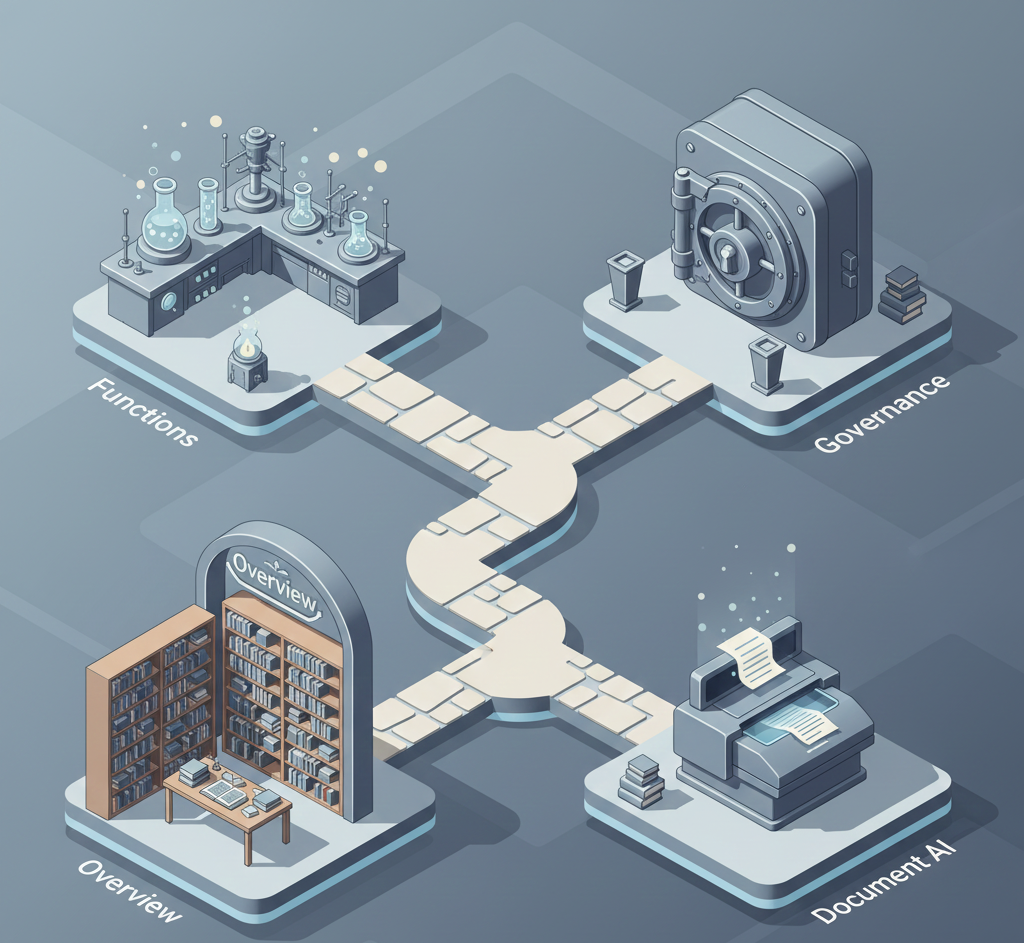
Domain | Focus Area | Weight |
|---|---|---|
1 | Snowflake for Gen AI Overview (Cortex Suite, Model Access, Inference) | 26% |
2 | Gen AI and LLM Functions (Sentinel, Vector Search, RAG) | 40% |
3 | Gen AI Governance (Safety, Cost Monitoring, Traceability) | 22% |
4 | Document AI (Pipelines, Zero-shot training) | 12% |
Key Insight: Domain 2.0 is nearly half the exam. If you are not writing SQL to test VECTOR_COSINE_SIMILARITY or COMPLETE, you are not ready.
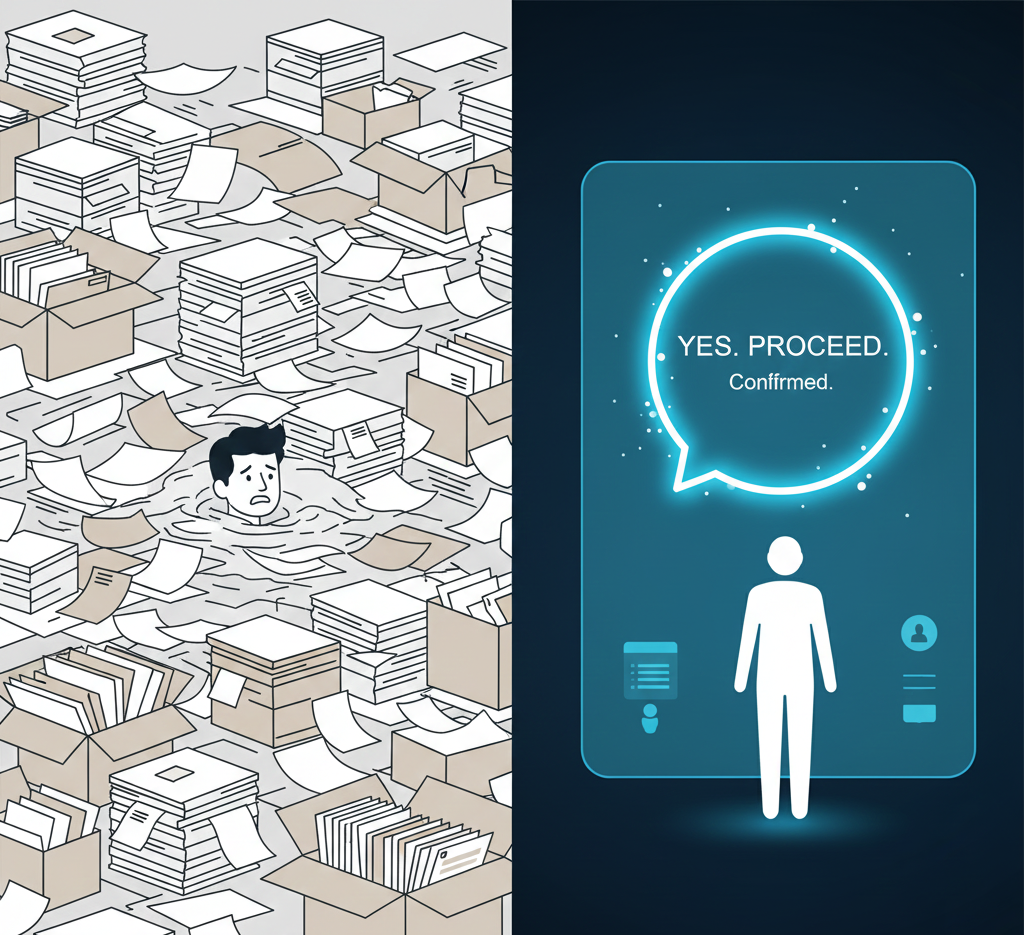
In the era of AI, reading static documentation at human speed is too slow. I needed to learn ten times faster.
I stopped reading the documentation linearly and began interrogating it using LLMs like Perplexity and Claude.
I used a technique I call "Structured Interrogation."
Instead of asking generic questions, I fed documentation links to the model and asked specific, targeted prompts:
"I am a total beginner. Tell me everything I need to know to get started with Cortex Analyst."
"List down all the steps to configure Cortex Search Service and how to make that service ready for production deployment."
"Here is the entire syllabus. Create a personalized study plan that fits my timeline, strengths, and weak areas."
This turned static reading into a dynamic conversation. It helped me understand the "why" and "how," not just the "what."
AI helped me learn concepts, but it failed in one critical area. Real exam simulation.
The internet is filled with generic AI-generated questions, but they do not reflect the scenario-based complexity of the actual SnowPro exam. I needed time-pressured practice with the same ambiguity and depth.
Since I could not find anything realistic enough, I curated my own.
I built the SnowPro Gen AI Specialty Full-Length Mocks based on actual exam patterns. These are not random questions. They are designed to test instincts around governance, Cortex limits, and troubleshooting.
You can check out the Mock Bundle here to test your readiness:
https://academy.enqurious.com/explore/skill-path/snowpro-gen-ai-specialty-full-length-mocks-al6j
When you sit for the exam, you face 55 questions in 85 minutes. The clock moves faster than you expect.
Here are the three skills that helped me:
Process of Elimination:
You will not always know the correct answer, but you will often know which options are technically impossible. Removing those increases your odds dramatically.
Curiosity Before the Exam:
Because I had debugged errors during preparation, I could spot trap answers that looked correct but were technically invalid.
The "Mock Instinct":
Repeatedly solving full-length mocks trained me to recognize Snowflake’s phrasing and keyword patterns immediately.
Here are a few practical lessons that made a significant difference in my preparation:
Click into every AI-related function, service, and configuration.
Exam questions often come from parameters or configuration details that only become obvious when you explore them yourself.
Attempting a mock early helps you understand how Snowflake frames questions, so you can adjust your study plan accordingly.
If a topic feels overwhelming, ask an LLM to simplify it, break it into steps, compare features, or generate practical examples.
Snowflake offers several hands-on mini projects that do not require a paid account. These help you experience real workflows and reinforce your understanding.
By keeping these tips in mind, you will not only pass the certification but also gain a strong understanding of the AI capabilities that Snowflake has introduced into its platform.
Wishing you all the very best for your future.
Keep Learning, Keep Growing, and Keep Enquiring.

Navigate Databricks Marketplace like a pro. Learn the 5 key criteria for choosing AI models that match your agents, LLMs, and text generation needs—without the trial-and-error.
Spark optimization isn't always complex; some tweaks have a huge impact. Inferring schemas forces Spark to scan your data twice, slowing ingestion and inflating cost. Explicit schemas avoid the extra pass and make pipelines faster and cheaper.

Cricket is no longer just a game of "gut feelings." This blog uncovers how hidden metrics like Expected Wickets and "Ghost" simulations are winning matches before the first ball. Dive into the high-stakes world where data science meets the 22 yards to redefine the sport.
I tested a simple hypothesis about image similarity - and watched it fail spectacularly when my algorithm said a "3" looks more like an "8" than another "3". The investigation revealed why pixel-by-pixel comparison is too brittle and what humans do effortlessly that machines must learn explicitly.
Passed the Databricks Gen AI Associate Certification with 56 questions in 90 minutes! Here's my honest experience, preparation strategy, time management tricks, and the exact resources that helped me succeed. Real insights for aspiring certificants.

A practical walkthrough of how I reduced heavy batch workloads using Change Data Feed (CDF) in Databricks. This blog shows how CDF helps process only updated records, cutting compute costs and boosting pipeline efficiency.

I dropped a table in Snowflake, then queried to verify it was gone. The system said it doesn't exist, but also showed it consuming 3.57 MB. That contradiction led me down a rabbit hole of metadata delays, missing commands, and hidden costs. Here's what I discovered.
The AI industry has a security problem: data scientists aren't trained in security, ML engineers are working with black-box models, and security pros don't understand GenAI. Learn about the frameworks and tools bridging this gap—from Llama Guard to Databricks' safety features.

Why DELETE isn’t enough under GDPR, and how Time Travel can make sensitive data reappear unless VACUUM is used correctly.

Started scrolling Instagram at 2 AM. Saw Cloudflare memes. Fell down a 4-hour research rabbit hole. Discovered that AND database = 'default' could have prevented the whole thing. My sleep schedule is ruined but at least I understand distributed systems now.

Discover the top 10 data pipeline tools every data engineer should know in 2025. From Airflow to Fivetran, learn how each tool powers modern data workflows, supports real-time analytics, and scales across cloud ecosystems.
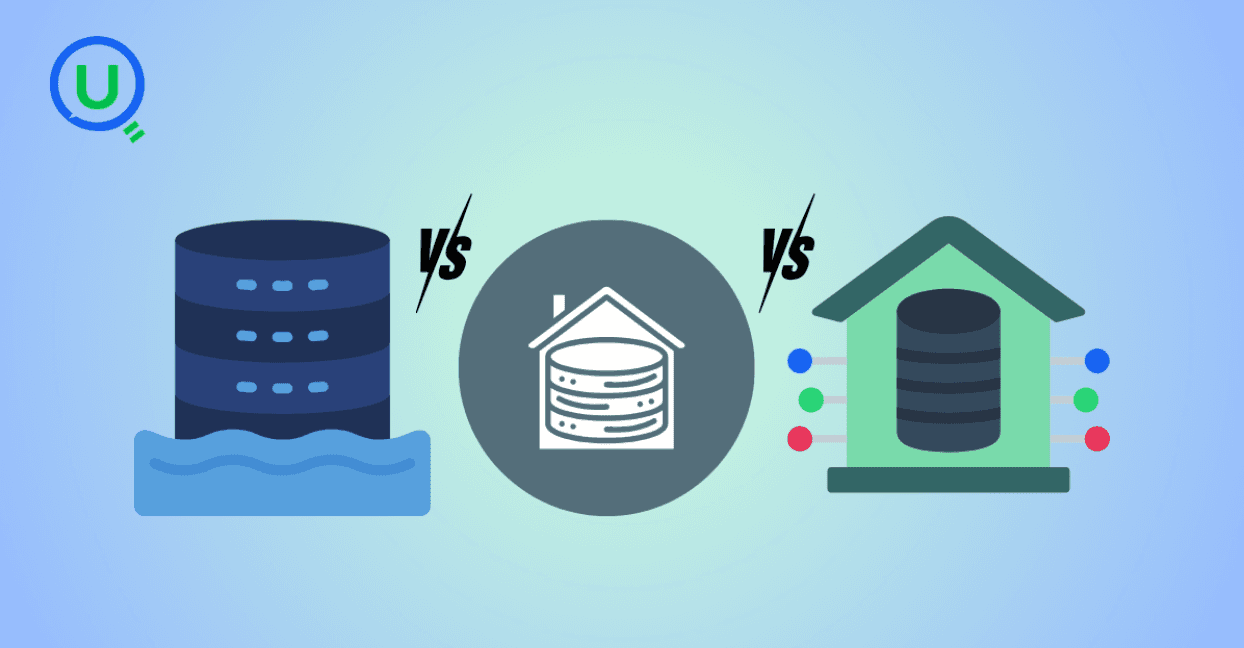
Confused between a data lake, data warehouse, and data mart? Discover key differences, real-world use cases, and when to use each architecture. Learn how to build a modern, layered data strategy for scalability, governance, and business insights.

Explore what syntax means in the world of data and AI—from SQL and Python to JSON and APIs. Learn why syntax matters, common errors, real-world examples, and essential best practices for data engineers, analysts, and AI developers in 2025.
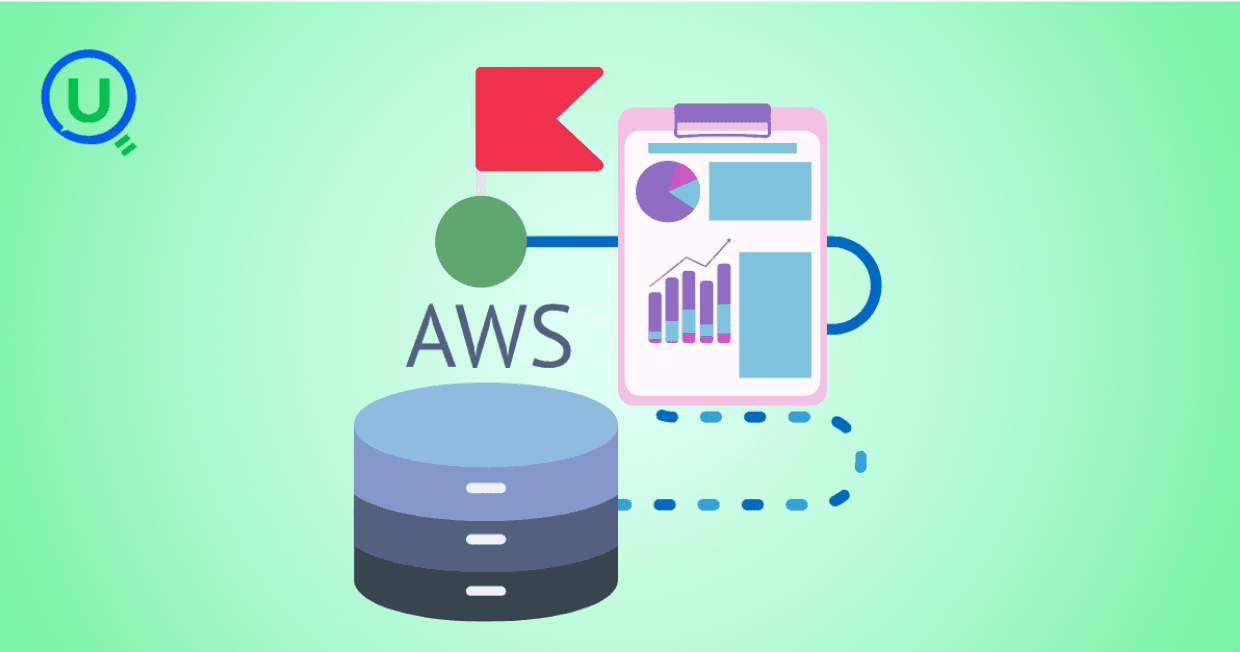
Discover how AWS Data Pipeline helps automate data movement and transformation across AWS services like S3, Redshift, and EMR. Learn its key features, benefits, limitations, and how it compares to modern tools like AWS Glue and MWAA.

Learn how to build scalable and secure data pipeline architectures in 2024 with best practices, modern tools, and intelligent design. Explore key pillars like scalability, security, observability, and metadata tracking to create efficient and future-proof data workflows.
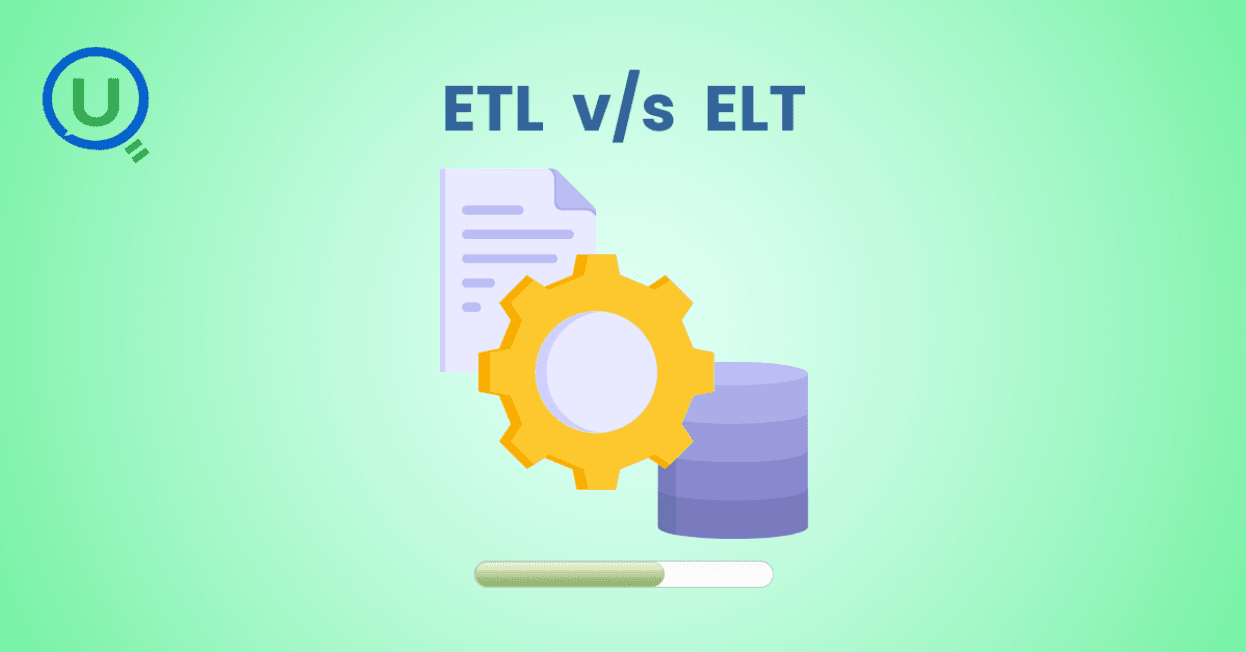
Explore the key differences between ETL and ELT data integration methods in this comprehensive guide. Learn when to choose each approach, their use cases, and how to implement them for efficient data pipelines, real-time analytics, and scalable solutions.
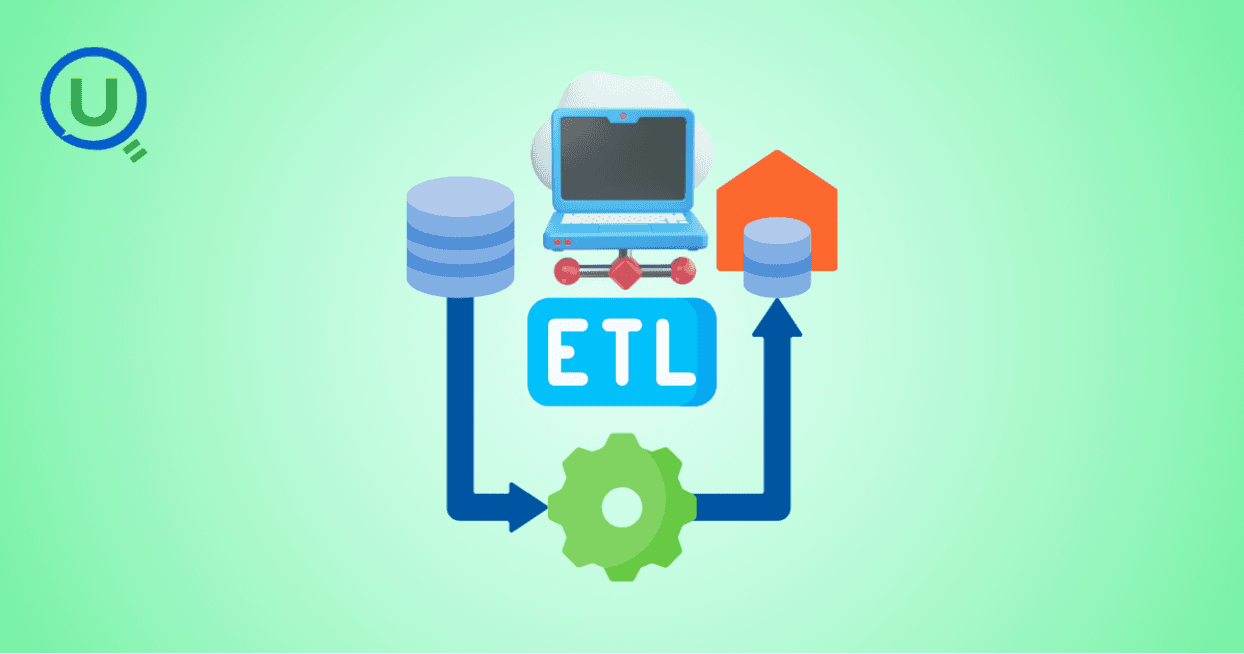
Learn the essential role of ETL (Extract, Transform, Load) in data engineering. Understand the three phases of ETL, its benefits, and how to implement effective ETL pipelines using modern tools and strategies for better decision-making, scalability, and data quality.

Discover why data orchestration and analysis are essential for modern data systems. Learn how automation tools streamline data workflows, boost insights, and scale with your business

Learn what a data ingestion pipeline is, why it's vital for modern analytics, and how to design scalable, real-time pipelines to power your data systems effectively.

Discover the top 15 data warehouse tools for scalable data management in 2024. Learn how to choose the right platform for analytics, performance, and cost-efficiency.

Confused between a data mart and a data warehouse? Learn the key differences, use cases, and how to choose the right data architecture for your business. Explore best practices, real-world examples, and expert insights from Enqurious.

Discover the top 10 predictive analytics tools to know in 2025—from SAS and Google Vertex AI to RapidMiner and H2O.ai. Learn why predictive analytics is essential for modern businesses and how to choose the right tool for your data strategy.

Explore the key differences between descriptive and predictive analytics, and learn how both can drive smarter decision-making. Discover how these analytics complement each other to enhance business strategies and improve outcomes in 2025 and beyond.

Explore the key differences between predictive and prescriptive analytics, and learn how both can drive smarter decisions, enhance agility, and improve business outcomes. Discover real-world applications and why mastering both analytics approaches is essential for success in 2025 and beyond.
Compare PostgreSQL vs SQL Server in this comprehensive guide. Learn the key differences, strengths, and use cases to help you choose the right database for your business needs, from cost to performance and security.

Learn what Power BI is and how it works in this beginner's guide. Discover its key features, components, benefits, and real-world applications, and how it empowers businesses to make data-driven decisions.
Explore what a Business Intelligence Engineer does—from building data pipelines to crafting dashboards. Learn key responsibilities, tools, and why this role is vital in a data-driven organization.
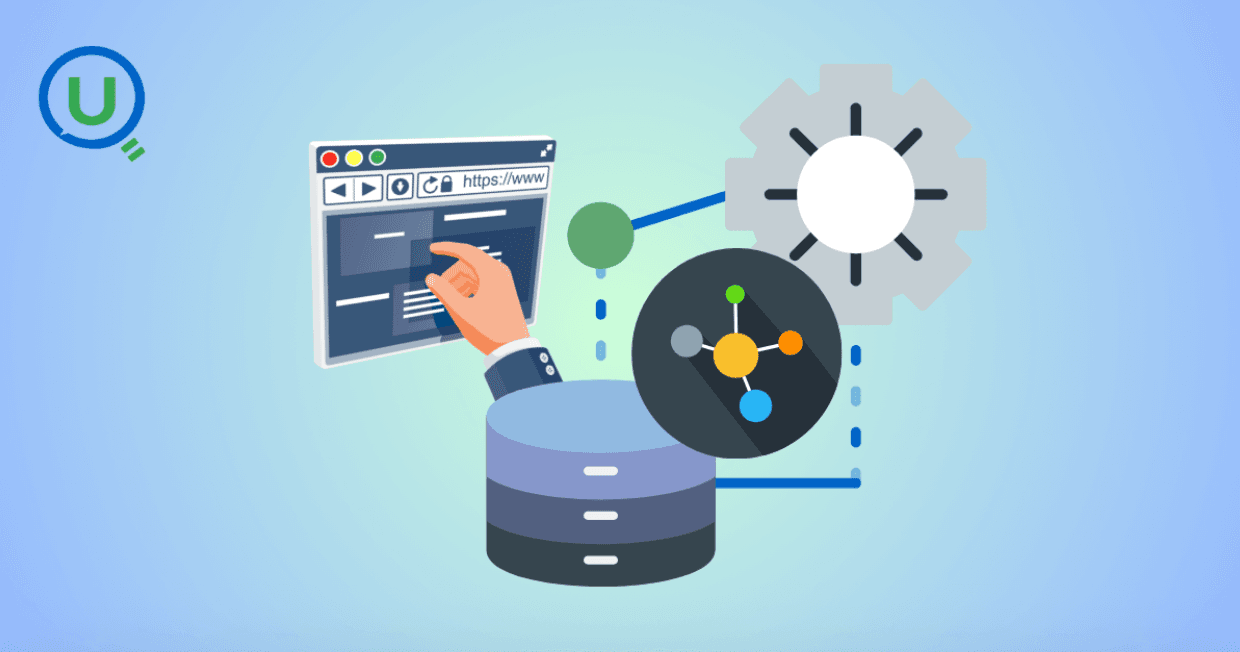
Discover why data lineage is essential in today’s complex data ecosystems. Learn how it boosts trust, compliance, and decision-making — and how Enqurious helps you trace, govern, and optimize your data journeys.

Learn what a data mart is, its types, and key benefits. Discover how data marts empower departments with faster, targeted data access for improved decision-making, and how they differ from data warehouses and data lakes.

Master data strategy: Understand data mart vs data warehouse key differences, benefits, and use cases in business intelligence. Enqurious boosts your Data+AI team's potential with data-driven upskilling.
Learn what Azure Data Factory (ADF) is, how it works, and why it’s essential for modern data integration, AI, and analytics. This complete guide covers ADF’s features, real-world use cases, and how it empowers businesses to streamline data pipelines. Start your journey with Azure Data Factory today!
Discover the key differences between SQL and MySQL in this comprehensive guide. Learn about their purpose, usage, compatibility, and how they work together to manage data. Start your journey with SQL and MySQL today with expert-led guidance from Enqurious!
Learn Power BI from scratch in 2025 with this step-by-step guide. Explore resources, tips, and common mistakes to avoid as you master data visualization, DAX, and dashboard creation. Start your learning journey today with Enqurious and gain hands-on training from experts!
AI tools like ChatGPT are transforming clinical data management by automating data entry, enabling natural language queries, detecting errors, and simplifying regulatory compliance. Learn how AI is enhancing efficiency, accuracy, and security in healthcare data handling.
Big Data refers to large, complex data sets generated at high speed from various sources. It plays a crucial role in business, healthcare, finance, education, and more, enabling better decision-making, predictive analytics, and innovation.

Discover the power of prompt engineering and how it enhances AI interactions. Learn the key principles, real-world use cases, and best practices for crafting effective prompts to get accurate, creative, and tailored results from AI tools like ChatGPT, Google Gemini, and Claude.

Learn what a Logical Data Model (LDM) is, its key components, and why it’s essential for effective database design. Explore how an LDM helps businesses align data needs with IT implementation, reducing errors and improving scalability.

Discover the power of a Canonical Data Model (CDM) for businesses facing complex data integration challenges. Learn how CDM simplifies communication between systems, improves data consistency, reduces development costs, and enhances scalability for better decision-making.

Discover the 10 essential benefits of Engineering Data Management (EDM) and how it helps businesses streamline workflows, improve collaboration, ensure security, and make smarter decisions with technical data.

Explore how vibe coding is transforming programming by blending creativity, collaboration, and technology to create a more enjoyable, productive, and human-centered coding experience.
Learn how Azure Databricks empowers data engineers to build optimized, scalable, and reliable data pipelines with features like Delta Lake, auto-scaling, automation, and seamless collaboration.
Explore the top 10 data science trends to watch out for in 2025. From generative AI to automated machine learning, discover how these advancements are shaping the future of data science and transforming industries worldwide.

Discover the key differences between data scientists and data engineers, their roles, responsibilities, and tools. Learn how Enqurious helps you build skills in both fields with hands-on, industry-relevant learning.
Discover the 9 essential steps to effective engineering data management. Learn how to streamline workflows, improve collaboration, and ensure data integrity across engineering teams.
Azure Databricks is a cloud-based data analytics platform that combines the power of Apache Spark with the scalability, security, and ease of use offered by Microsoft Azure. It provides a unified workspace where data engineers, data scientists, analysts, and business users can collaborate.

In today's data-driven world, knowing how to make sense of information is a crucial skill. We’re surrounded by test scores, app usage stats, survey responses, and sales figures — and all this raw data on its own isn’t helpful.
In this blog, we will discuss some of the fundamental differences between AI inference vs. training—one that is, by design, artificially intelligent.
This guide provides a clear, actionable roadmap to help you avoid common pitfalls and successfully earn your SnowPro Core Certification, whether you’re making a career pivot or leveling up in your current role.

"Ever had one of those days when you’re standing in line at a store, waiting for a sales assistant to help you find a product?" In this blog we will get to know about -What is RAG, different types of RAG Architectures and pros and cons for each RAG.
Discover how Databricks and Snowflake together empower businesses by uniting big data, AI, and analytics excellence
How do major retailers like Walmart handle thousands of customer queries in real time without breaking a sweat? From answering questions instantly to providing personalized shopping recommendations, conversational AI reshapes how retailers interact with their customers.